Troubleshooting
Posting too much online can turn your social media into a security risk. These 10 dangers of oversharing reveal how personal details, location tags, and emotional posts can be exploited—along with actionable ways to protect yourself.
Identity Theft Through Public Personal Details
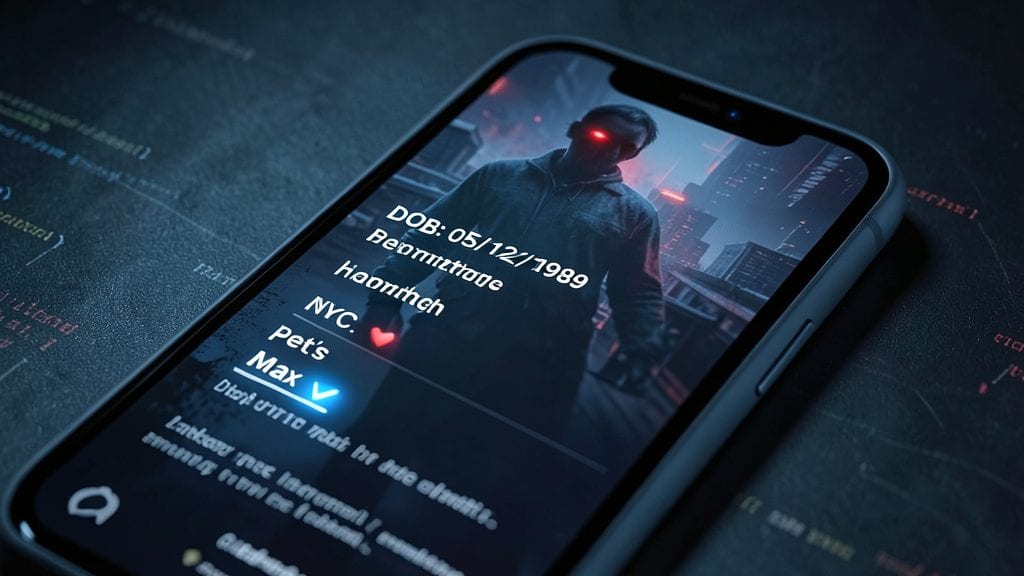
Your social media bio isn’t just a digital business card—it’s a hacker’s treasure map. A simple birthday, hometown, or even your pet’s name can be the key to unlocking your bank accounts or credit cards, thanks to AI-powered phishing tools that craft eerily personal scams.
Criminals use this info to bypass basic security questions (e.g., "What was your first pet’s name?") or impersonate you in targeted spear-phishing emails. A 2023 study found that 68% of identity theft cases started with publicly available details like these—no hacking skills required. Even "private" posts can be scraped by bots for training data.
This isn’t just a risk for tech novices—executives, freelancers, and small business owners are prime targets. A single overshared detail (like your child’s school or vacation dates) can trigger a social engineering attack within hours. 💻
Geotagging Your Home or Workplace
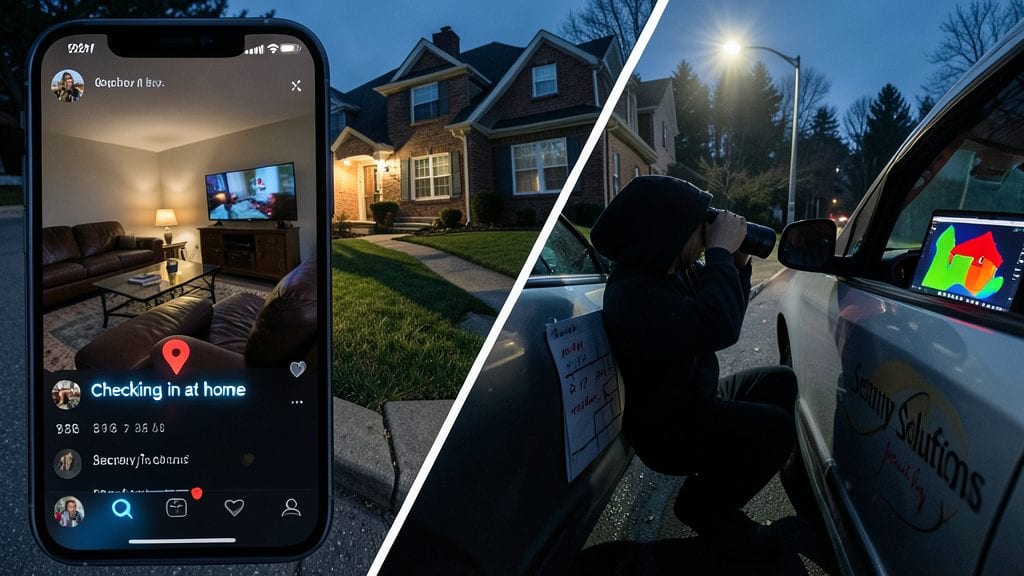
That innocent "Checking in at home" post might seem harmless, but it’s a goldmine for criminals tracking your daily routine. Burglars and stalkers use geotagged locations to map when you’re away, what time you return, and even which rooms have valuables—turning your home into a predictable target.
Platforms like Instagram, Facebook, and Snapchat embed location data by default, even in Stories or private posts. A single geotagged vacation photo can reveal your empty house for weeks, while "Live" streams from your workplace expose when offices are deserted. Criminals use third-party tools to aggregate these posts, creating heatmaps of your habits over time.
Homeowners, remote workers, and small business owners are at highest risk—but anyone with a public profile should disable geotagging entirely. Use platform-specific privacy settings (e.g., Instagram’s "Hide Location" or Snapchat’s "Ghost Mode") and manually review old posts for lingering tags. Your home isn’t just a house—it’s a digital footprint waiting to be exploited. 🌟
Emotional Oversharing Leading to Manipulation
When you’re going through a tough breakup or mental health struggle, sharing your feelings online can feel like a lifeline—but it’s also a red flag for scammers. Fake profiles offering sympathy or romantic connections often target vulnerable users, using AI-generated voices and deepfake photos to build trust before exploiting emotional trust.
Scammers may pose as therapists, ex-partners, or new love interests, leveraging details from your posts to create convincing backstories. Platforms like Facebook and Instagram see a 40% rise in emotional manipulation cases during high-stress periods, with victims losing an average of $2,500 before realizing they’ve been scammed. Even private stories can be screenshotted and repurposed.
If you need to vent, try trusted support groups or private messaging with verified friends—never with strangers. Limit audience visibility to "Close Friends" or "Only Me" to reduce exposure. 💡
Job Loss from Controversial or Unprofessional Posts
Your private social media posts aren’t as private as you think—especially when recruiters or HR teams are digging. A single controversial tweet or unprofessional rant about a past employer can derail job opportunities, even if your account is locked down. Many companies now use background screening tools like Social Intelligence or HireRight to scan profiles for red flags before extending offers.
Even deleted posts can linger in cached databases or screenshots shared by others. A 2022 CareerBuilder survey found that 70% of employers have rejected candidates due to online content, while 35% admitted to firing employees over social media missteps. Political debates, workplace gripes, or even jokes about sensitive topics can resurface in interviews or performance reviews.
Freelancers, remote workers, and job seekers should treat all posts as public-facing—especially on platforms like LinkedIn, where connections often include hiring managers. A quick audit of old posts (or setting accounts to "private" + "approve followers") can save your career before a single like turns into a liability. 💻
Blackmail and Sextortion Risks from Private Messages
Think your private messages are safe from prying eyes? Hackers don’t always need to break in—they just wait for you to send something they can exploit. A single intimate photo or conversation shared via messaging apps can be intercepted, stolen, or sold on the dark web, turning into leverage for sextortion scams demanding thousands in ransom.
Cybercriminals use phishing links disguised as app updates or security alerts to hijack accounts, while malware-laced files (like seemingly innocent PDFs) can infect devices to record screenshots or keystrokes. Even encrypted apps aren’t foolproof—metadata in images (like GPS coordinates) or saved chats can be extracted if your device is compromised. The FBI reports over 20,000 sextortion cases annually, with victims often too embarrassed to report it.
This risk isn’t just for celebrities—anyone sharing private content is vulnerable. If you’re exchanging sensitive info, use end-to-end encrypted apps (Signal, WhatsApp) and self-destructing messages, then verify the recipient’s identity before sending anything irreversible. 💻
Phishing Attacks Using Personal Stories
That heartfelt post about your new puppy or vacation with family might seem innocent—but it’s also a blueprint for hackers. Scammers use AI tools to scour your social media for details like pet names, favorite movies, or even inside jokes, then craft hyper-personalized phishing emails that bypass basic security filters. A fake "IT support" call mentioning your dog’s name ("Hi, this is Max’s vet—we need to verify your account") can trick even the savviest users.
These attacks often mimic trusted brands like Chase, PayPal, or Microsoft, using stolen templates and voice cloning to sound legitimate. A 2023 FBI report found that 35% of phishing victims fell for scams using personal details from social media—often within hours of posting. Even "private" stories can be scraped by bots, making nothing truly safe.
Small business owners and remote workers are prime targets, as scammers impersonate HR or IT departments to "verify" accounts. Always verify unexpected requests via official channels—never through links or calls. A quick audit of your posts (especially old ones) could stop the next scammer in their tracks. ⚡
Social Engineering via 'Friendly' Connections
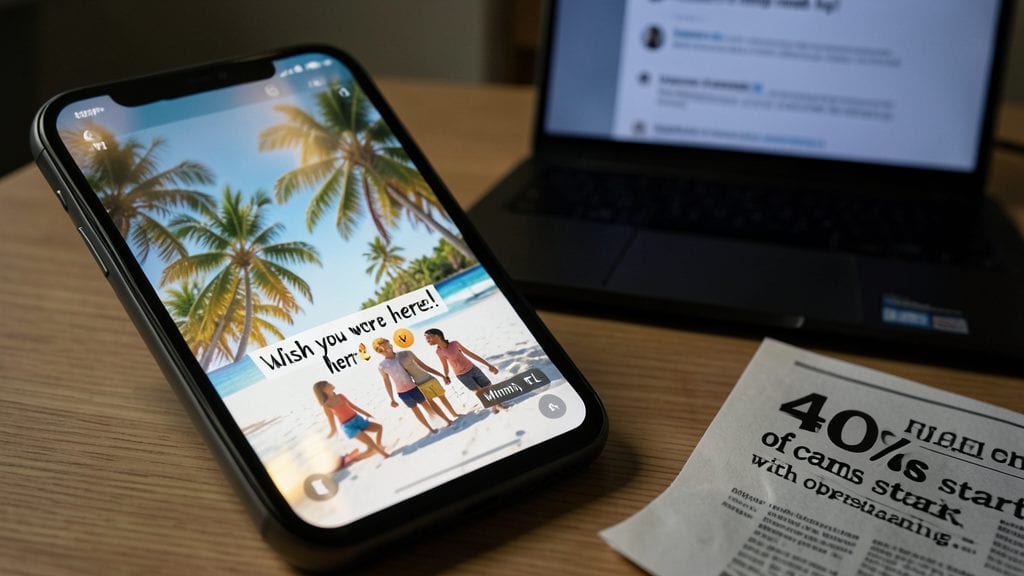
That "friendly" vacation post might seem harmless, but scammers use it to impersonate you—especially when combined with details about your family. A 2023 FBI report found that 40% of social media scams start with oversharing about travel or loved ones, making it easier to trick contacts into wiring money or revealing passwords.
Hackers don’t just target you—they’ll pose as your child’s teacher needing a "loan" or your parent in a "medical emergency." These attacks exploit the trust you’ve built with your network, often using voice-cloning tools to sound eerily like your own voice in calls or messages. Even a simple post like "Heading to Paris!" can give scammers the perfect opening.
Parents, professionals, and frequent travelers are prime targets, but anyone with a public profile risks becoming a puppet in these schemes. Always verify unexpected requests—especially those involving money or sensitive data—before acting. 💪
Reputation Damage from Unfiltered Opinions
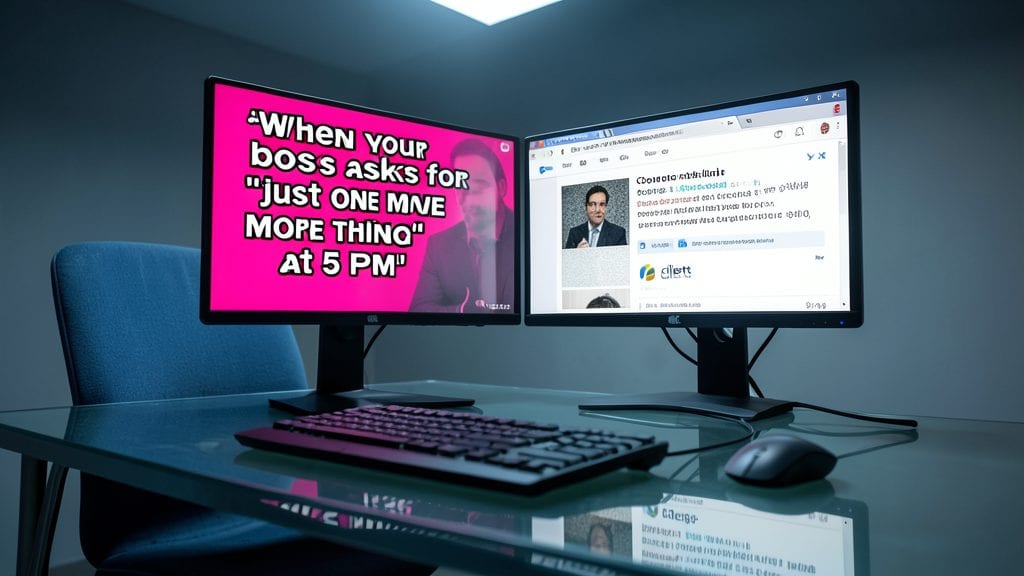
A single sarcastic comment about a boss or a viral meme mocking a client can feel harmless in the moment—but search engines never forget. What you post today might become tomorrow’s career-limiting headline, especially when screenshots or cached pages resurface during job interviews or performance reviews.
Platforms like LinkedIn and Twitter archive posts indefinitely, while Facebook’s "On This Day" feature can resurface old content for years. Even deleted posts linger in Google Cache or third-party archives, making it easy for recruiters or colleagues to dig up past missteps. A 2022 CareerBuilder survey found that 70% of employers check candidates’ social media—and 57% have rejected applicants based on inappropriate posts.
Freelancers, job seekers, and public-facing professionals should treat every post as a permanent record. Before hitting send, ask: "Would I want my future boss or clients to see this?" A little self-censorship now can save years of professional regret. ✨
Exposure to Cyberstalking and Harassment
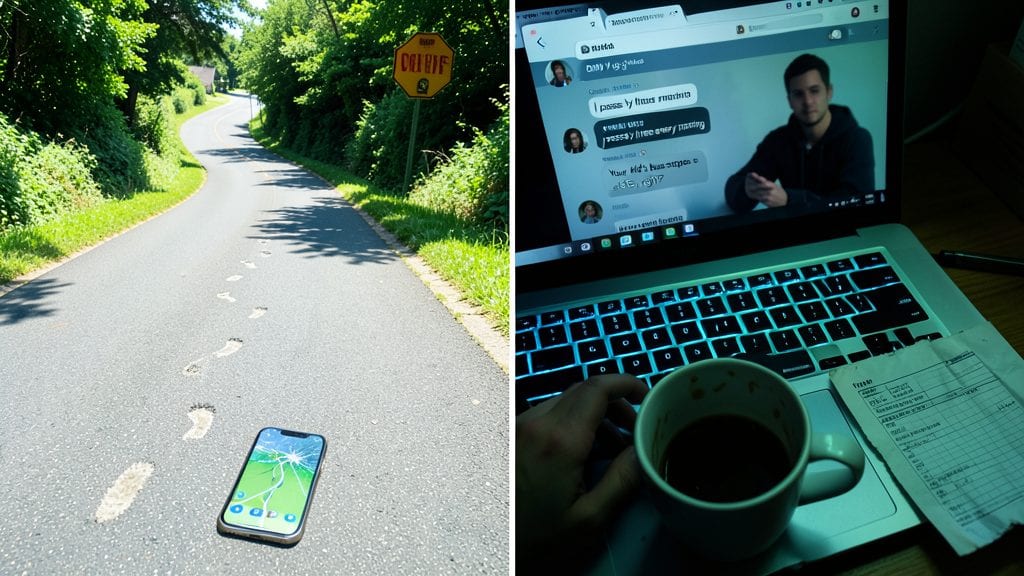
Ever posted about your favorite running route or your kid’s school schedule? Those details might seem harmless, but they’re like an open invitation for cyberstalkers and obsessive followers to track your every move. Comment sections and DMs become hunting grounds for predators who exploit oversharing to build unsettling connections.
Platforms like Instagram, TikTok, and Facebook often lack robust moderation for targeted harassment. A simple post like “Leaving for soccer practice at 4 PM” can reveal your real-time location to stalkers, while hobby-related posts (e.g., “My gym schedule is Mondays/Wednesdays”) create predictable patterns. Even private accounts aren’t safe—determined predators use screen grabs or bots to harvest data.
Students, athletes, and professionals are especially vulnerable, as their routines make them easy targets. Use privacy filters (e.g., Instagram’s “Close Friends” or Facebook’s audience restrictions) and avoid geotagging personal spaces. ⚡
Legal Consequences from Misjudged Posts
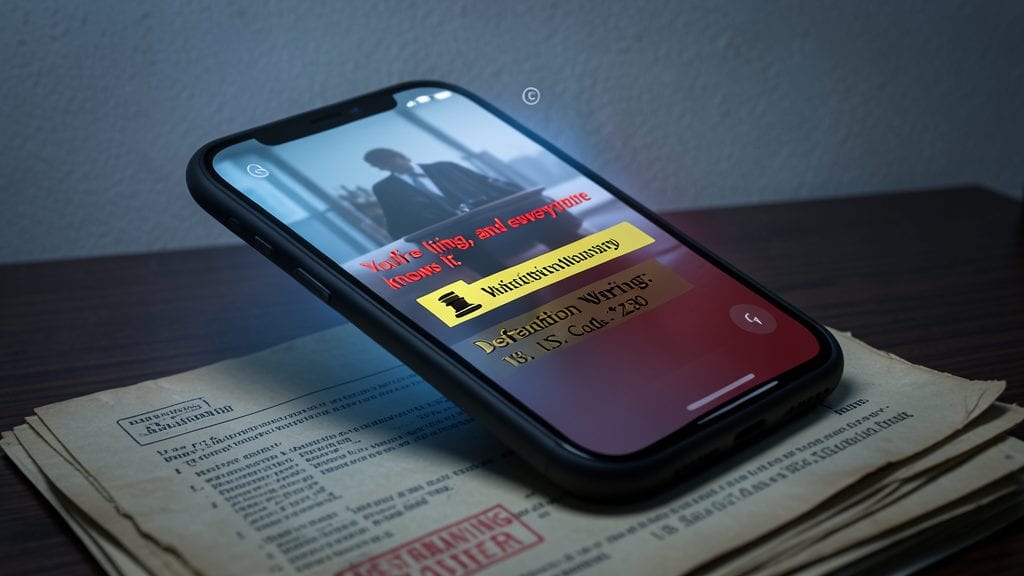
Think twice before hitting "post"—what starts as a heated comment in a private group could land you in court. A single defamatory remark, copyrighted content, or even a veiled threat can trigger lawsuits, restraining orders, or worse, criminal charges, regardless of whether your account is public or private.
Platforms like Facebook and Twitter have faced lawsuits over harassment-enabling features, while Section 230 protections don’t shield users from civil liability. A 2023 case saw a user ordered to pay $450,000 for posting false claims about a coworker in a private group chat. Even memes or screenshots of copyrighted material can lead to DMCA takedowns or legal fees if reported.
Freelancers, public figures, and small business owners face the highest risks—but anyone can be targeted. Always review privacy settings, avoid legal gray areas, and remember: digital footprints last forever. ✨