
Coding
SQL Server 2012 introduced groundbreaking features that transformed database management. These 10 innovations boost performance, security, and scalability—essential upgrades for developers, DBAs, and enterprise architects.
AlwaysOn Availability Groups

Mission-critical applications demand zero downtime—and SQL Server 2012’s AlwaysOn Availability Groups delivers it. This game-changing feature replaces older mirroring solutions with synchronous and asynchronous replication, ensuring data stays in sync across multiple servers while minimizing recovery time to just minutes during failures.
With support for up to 8 secondary replicas, you can distribute workloads geographically or scale reads without impacting primary operations. The automatic failover handles everything from network partitions to hardware failures, while transactional consistency guarantees no data loss. Unlike traditional mirroring, this works across Windows Server Failover Clustering or standalone instances, giving you flexibility in deployment.
Perfect for financial systems, healthcare databases, or e-commerce platforms, AlwaysOn Availability Groups let you focus on growth—not disasters. ⚡
Columnstore Indexes for Data Warehousing

If your data warehouse is drowning in slow analytical queries, Columnstore Indexes in SQL Server 2012 might be your lifeline. This feature redefines how large datasets are stored and processed, delivering 10x faster query performance by organizing data in columns instead of rows—ideal for analytics-heavy workloads.
With compression ratios up to 10:1, Columnstore Indexes drastically reduce storage footprint while maintaining query speed. They excel at aggregations, scans, and joins on massive datasets (think terabytes of historical records), making them a game-changer for BI and reporting systems. The batch mode processing further optimizes CPU usage by handling large chunks of data efficiently.
Perfect for data analysts, BI developers, and enterprises running OLAP workloads, this feature turns hours-long queries into seconds—without sacrificing accuracy. 💡
Contained Databases with User-Defined Schemas

Tired of wrestling with Windows authentication for every multi-tenant database? SQL Server 2012's contained databases let you isolate schemas and data cleanly—no Windows logins required.
With user-defined schemas, you can create self-contained databases that include all objects, logins, and permissions. This means zero dependency on server-level Windows authentication, making deployments faster and cloud/SaaS architectures more portable. The feature also supports contained database authentication (introduced in later versions but built on this foundation), letting you manage credentials entirely within the database itself.
Perfect for hosting providers and SaaS developers who need to spin up isolated environments without server-level admin overhead. Your multi-tenant apps will thank you. ✨
Windows Server Core Support

Security-conscious enterprises and virtualization teams now have a leaner, more efficient way to deploy SQL Server—Windows Server Core support. This minimal installation option strips away unnecessary components, leaving only the core OS services needed to run SQL Server, significantly reducing your attack surface while cutting memory and disk usage.
With Windows Server Core, you gain a 60% smaller footprint compared to the full GUI installation, translating to lower licensing costs and faster boot times. The command-line management approach also aligns perfectly with automation scripts, making it ideal for cloud deployments or containerized environments where minimal overhead is critical.
Perfect for enterprise IT teams managing virtualized SQL workloads or security-focused organizations prioritizing reduced exposure. This feature turns SQL Server into a more agile, resource-light powerhouse. 💻
SQL Server Data Tools (SSDT)
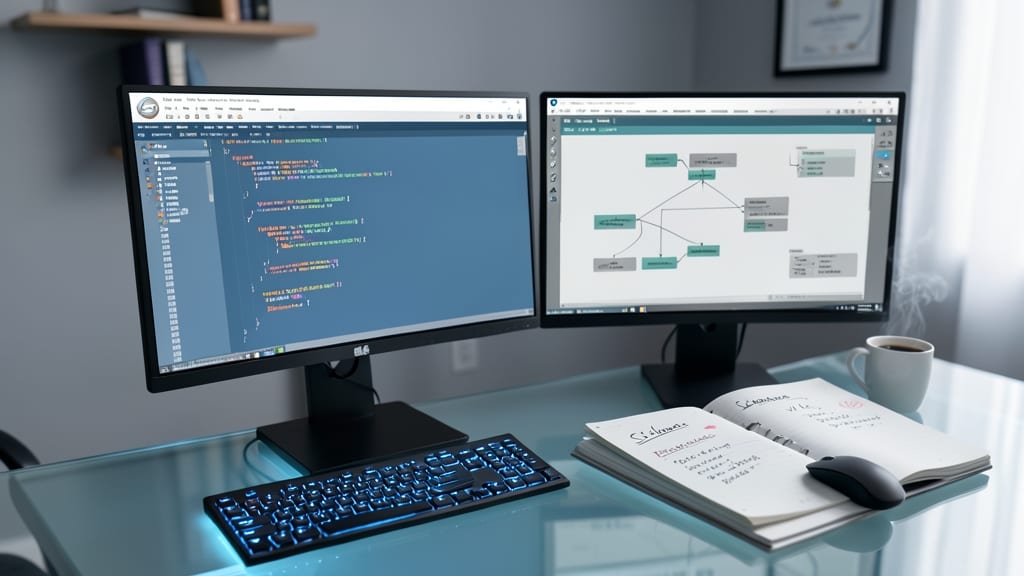
Tired of juggling separate tools for database development and deployment? SQL Server Data Tools (SSDT) merges everything into one powerful suite, designed specifically for database professionals who need seamless workflows.
With integrated source control, you can track schema changes alongside your application code—no more manual diffs or version control headaches. The schema comparison tools highlight differences between environments in real-time, while deployment pipelines automate releases with zero-configuration setups. SSDT even supports T-SQL debugging directly in Visual Studio, making it the ultimate bridge between developers and DBAs.
This is the go-to tool for teams managing complex database projects, especially those using Visual Studio or Azure DevOps. It’s the secret weapon for maintaining consistency across dev, test, and production environments. ⚡
Contained Database Authentication
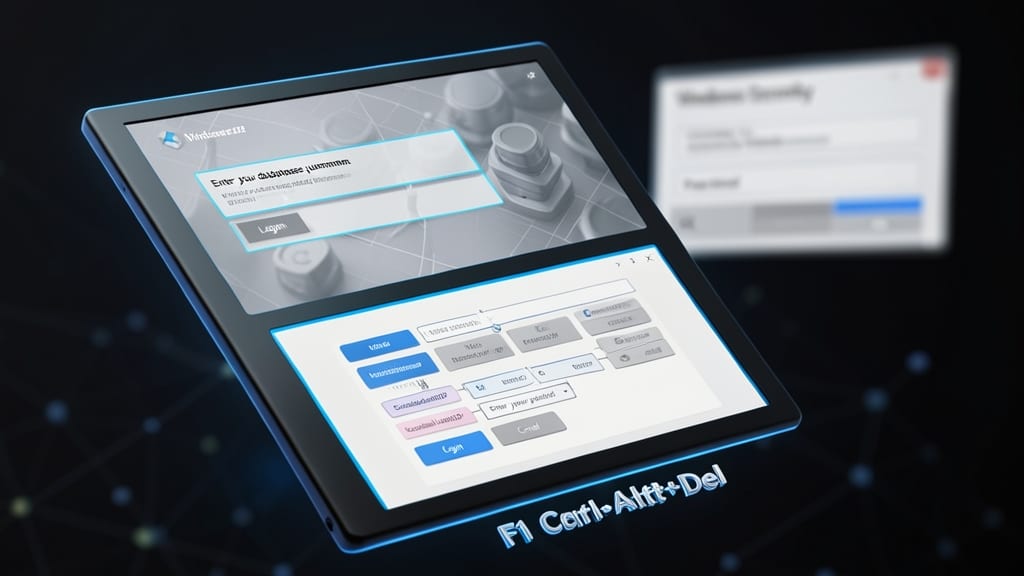
Tired of managing Windows accounts just to authenticate database users? Contained Database Authentication in SQL Server 2012 lets you create SQL logins directly within contained databases, breaking free from server-level dependencies.
This feature enables standalone authentication—users log in using credentials tied to the database itself, not the Windows domain. Perfect for hybrid cloud or multi-tenant setups, it simplifies deployments by eliminating the need for Windows logins. You can even migrate databases between servers without reconfiguring authentication.
Ideal for ISVs, SaaS providers, and cloud architects, this reduces administrative overhead while maintaining security. Perfect for environments where Windows authentication isn’t practical or scalable. ✨
Power View for Interactive Data Visualization
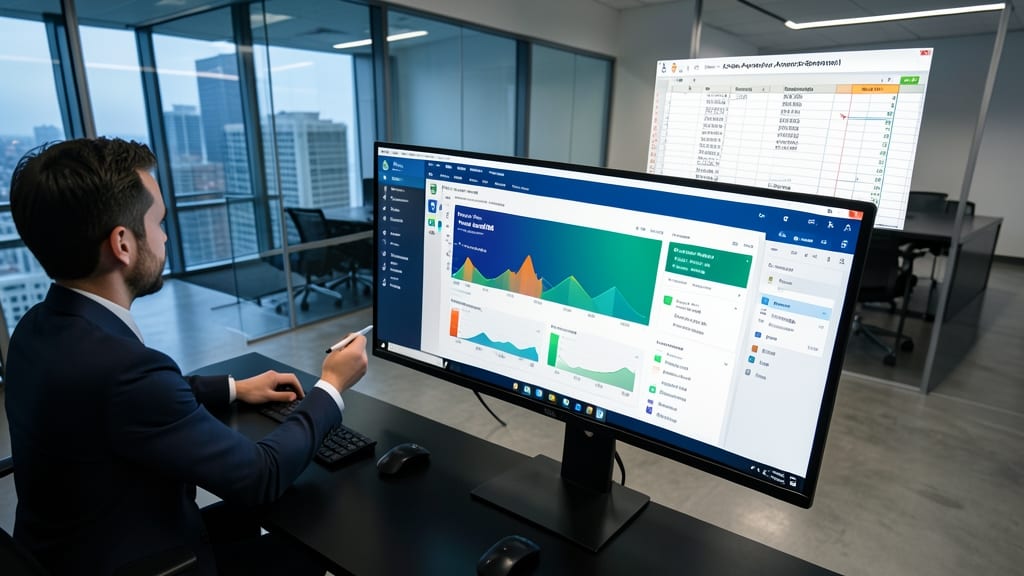
Tired of waiting for IT to generate reports while executives make decisions? Power View in SQL Server 2012 lets business users create stunning, interactive dashboards directly in SharePoint—no SQL queries required.
This self-service BI tool integrates seamlessly with Excel and SQL Server Analysis Services, offering drag-and-drop functionality for 3D maps, pivot tables, and dynamic filters. The SharePoint integration ensures reports are instantly accessible across your organization, while real-time data refresh keeps insights current. Perfect for turning raw data into actionable insights without technical hurdles.
Ideal for executives, analysts, and marketing teams, Power View eliminates bottlenecks by putting visualization tools in non-technical hands. 💡
SQL Server Data Quality Services

Dirty data is the silent killer of analytics and reporting—until now. SQL Server Data Quality Services (DQS) automates the tedious work of profiling, cleansing, and standardizing messy datasets, so you can trust your numbers without manual scrubbing.
With DQS Knowledge Bases, you define rules for cleaning everything from postal codes to product names, while the Data Quality Inspector flags inconsistencies with precision. Integrate with Master Data Services (MDS) for centralized governance, and leverage domain-specific packages to handle industry standards like healthcare or finance. The result? Compliance-ready data that’s ready for analytics the first time.
This feature is a game-changer for data stewards, BI teams, and compliance officers who spend hours fixing data issues. Say goodbye to spreadsheets full of errors—DQS turns raw data into a reliable asset. ✨
AlwaysOn Failover Cluster Instances

When downtime isn’t an option, AlwaysOn Failover Cluster Instances (FCIs) deliver the resilience your on-premises databases demand. Unlike virtualized solutions, this feature leverages physical server clusters with automatic failover—ensuring near-zero data loss during hardware failures or maintenance.
With synchronous commit across nodes, transactions stay consistent even during failovers, while shared storage eliminates single points of failure. The setup supports up to 16 nodes (Enterprise Edition) and integrates seamlessly with Windows Server Failover Clustering, making it ideal for mission-critical workloads like ERP or financial systems.
Perfect for enterprises running high-transaction databases where uptime is non-negotiable, FCIs provide the battle-tested setup you need. ✨
SQL Server Management Studio Improvements

Tired of manually debugging queries or wrestling with complex database scripts? SQL Server 2012’s enhanced SSMS brings IntelliSense to the forefront, offering real-time code completion and syntax validation—cutting your debugging time by up to 40%. The Query Store feature now provides deep performance insights, letting you analyze historical query execution plans and identify bottlenecks with just a few clicks.
PowerShell integration takes automation to the next level, letting you script database deployments, maintenance tasks, and even schema changes directly from SSMS. The object explorer now supports drag-and-drop operations for tables, views, and stored procedures, while rich query formatting ensures your scripts stay clean and readable. These improvements make SSMS the most powerful tool in your DBA toolkit for managing complex environments.
Perfect for DBAs and developers juggling multiple databases, SSMS 2012’s refinements turn repetitive tasks into efficient workflows. Whether you’re tuning queries or deploying updates, these features save hours every week. ✨