
Outlook
Mastering Microsoft Outlook can transform your email workflow from chaotic to seamless. These 10 productivity-boosting tips and tricks for 2023 will help you manage inboxes faster, automate repetitive tasks, and reclaim hours in your workweek—whether you're a busy professional or a power user.
Quick Parts for Repeated Email Text
Tired of typing the same responses over and over? Quick Parts in Outlook lets you save snippets of text—like email signatures, canned responses, or legal disclaimers—and insert them with a single click. This feature is a game-changer for roles where repetitive messaging eats up time, such as customer service or sales.
To get started, open a new email, type your standard phrase, then go to the Insert tab and click Quick Parts. Select Save Selection to Quick Parts Gallery—now you can drag-and-drop it into any email. Pro tip: Use categories to organize snippets (e.g., "Client Follow-Up" or "HR Onboarding") for faster access. You can even store HTML-formatted text for polished templates.
This trick is especially useful for teams sending batch emails or handling high volumes of similar inquiries. Spend less time typing and more time focusing on what matters. ⚡
Keyboard Shortcuts for Speed Navigation
If your mouse arm is tired of endless clicks, Outlook’s keyboard shortcuts are your secret weapon for lightning-fast navigation. These 10 essential combos let you compose emails, jump between folders, and manage tasks without ever reaching for your mouse—ideal for power users who value speed over clicks.
Master Ctrl+Shift+I to instantly create a new email, Ctrl+Y to revisit the last item you worked on, and Ctrl+Shift+A to open the Actions menu (for flagging, forwarding, or categorizing). Need to switch folders? Use Ctrl+Shift+E to expand your folder list, then arrow keys to navigate. For email management, Ctrl+Shift+D deletes the current message, while Ctrl+Shift+R replies to all recipients—no menu diving required.
Perfect for developers, writers, or anyone who spends hours in Outlook daily, these shortcuts turn your keyboard into a productivity powerhouse. Once memorized, you’ll wonder how you ever relied on a mouse. ⚡
Focused Inbox for Priority Management
Drowning in promotional emails and notifications? The Focused Inbox feature in Outlook automatically sorts high-priority messages into a dedicated tab, so you can focus on what truly matters. It uses machine learning to identify important emails—like those from colleagues or clients—while filtering out newsletters and marketing blasts.
To enable it, go to View > Focused Inbox and toggle it on. You can also manually move emails between the Focused and Other tabs by dragging them. For extra control, adjust the settings under File > Options > Mail to fine-tune which senders or keywords trigger Focused Inbox placement. This feature is a game-changer for executives or anyone juggling multiple inboxes.
Perfect for professionals who want to cut through the noise and prioritize their work—without missing a beat. ⚡
Rules to Auto-Organize Incoming Emails
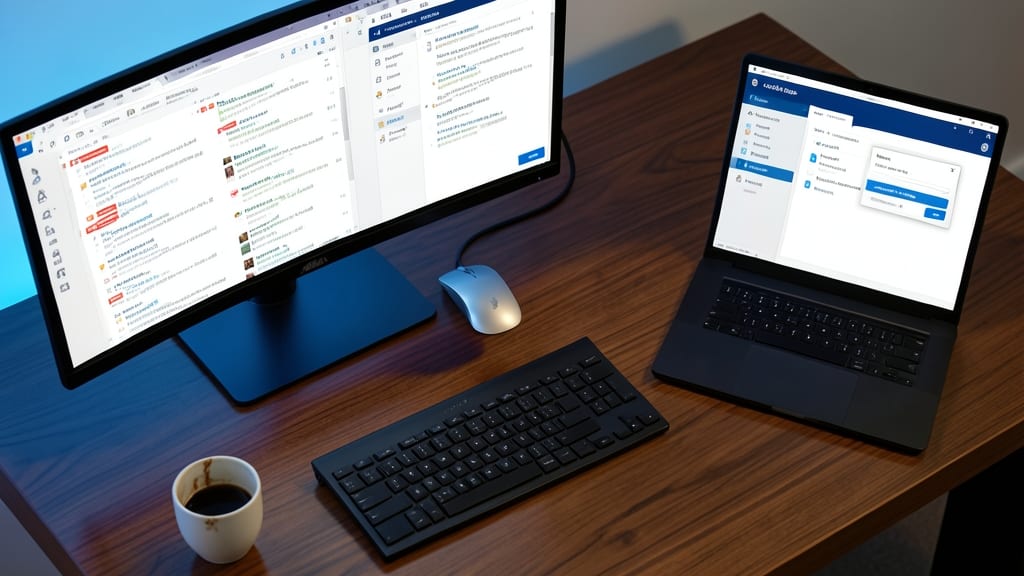
If your inbox feels like a digital landfill, Outlook’s Rules feature is your secret weapon. Instead of manually sorting emails, you can automate actions like moving, flagging, or even deleting messages based on custom criteria—saving hours weekly for teams buried under high-volume workflows.
Create rules that trigger on sender domains (e.g., @client.com), keywords (e.g., "invoice" or "urgent"), or subject lines (e.g., "meeting notes"). For example, auto-archive newsletters to a "Marketing" folder or flag HR-related emails in red. Rules can also forward messages to managers or delete spam before it clutters your view. The best part? Zero manual effort—Outlook handles it all in real time.
This is a game-changer for HR departments (auto-routing job applications), support teams (flagging high-priority tickets), or anyone drowning in promotional emails. Set it up once, and watch your inbox stay organized effortlessly. ✨
Swipe Gestures for Mobile Outlook
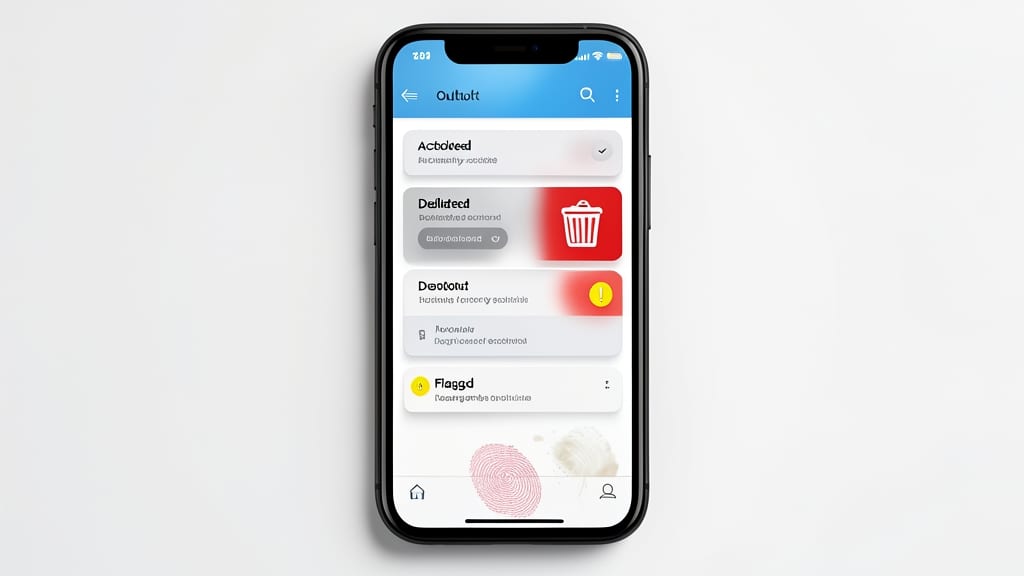
Tired of fumbling through menus to manage emails on your phone? The Mobile Outlook app lets you handle messages with lightning-fast swipe gestures—no tapping required. Left-to-right swipes archive emails instantly, right-to-left swipes delete them permanently, and upward swipes flag messages for follow-up. It’s the kind of intuitive control you’d expect from a modern app.
These gestures work seamlessly across Android and iOS, and you can customize them to fit your workflow. For example, set a right-to-left swipe to move emails to a specific folder instead of deleting them. The app also syncs your gestures with desktop settings, so your actions stay consistent whether you’re at your desk or on the go.
Perfect for sales professionals, executives, or anyone who checks email constantly, these swipes cut down on screen time and mental clutter. Once you master them, you’ll wonder how you ever lived without them. ✨
Track Email Open and Replies
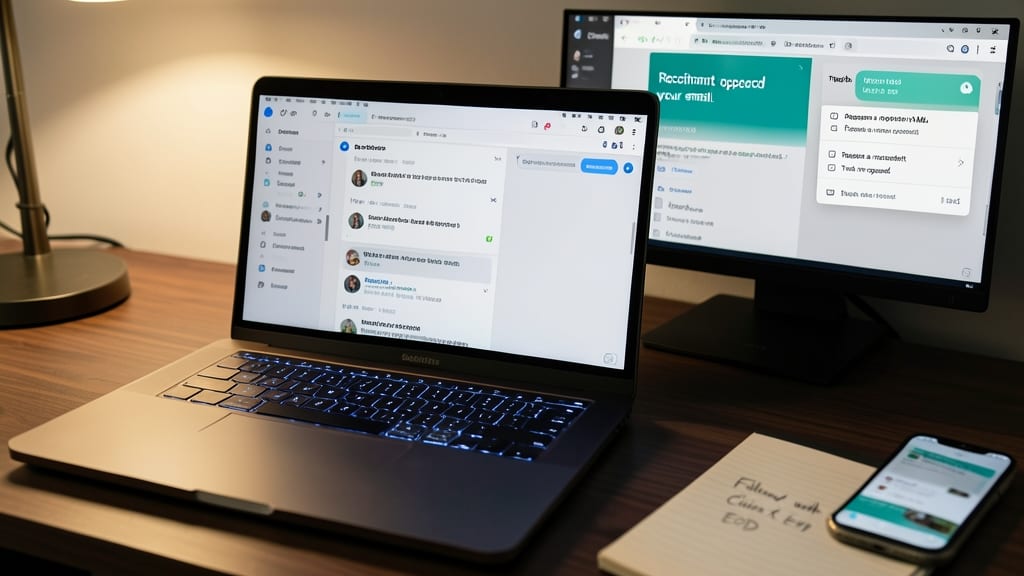
Never miss a follow-up opportunity again with Outlook’s built-in email tracking. This feature sends you instant alerts when recipients open your messages or hit reply—ideal for sales calls, project deadlines, or time-sensitive client updates.
To enable it, simply go to File > Options > Mail > Tracking, then check "Request a read receipt" and "Request delivery receipts". You’ll get notifications in your Outlook notifications pane or via email, depending on your settings. Works seamlessly with Outlook 365 and Outlook 2021, making it a must-have for proactive communicators. ⚡
Perfect for sales teams tracking lead engagement or project managers ensuring stakeholders review critical updates—this tool turns guesswork into actionable data. 💡
Conditional Formatting for Flagged Emails
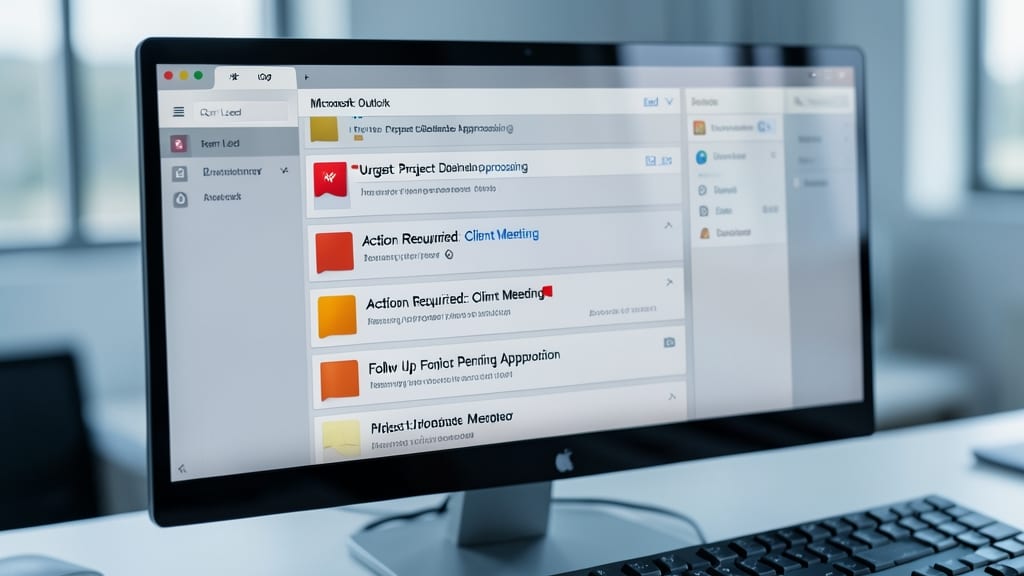
Tired of flagging emails only to forget which ones need urgent action? Conditional formatting for flags turns your inbox into a visual command center, letting you assign custom colors to flags so a quick glance reveals priority levels at a glance.
Outlook lets you assign red for high-priority deadlines, yellow for medium-urgency tasks, and green for low-priority follow-ups. The feature works across desktop and mobile apps, syncing colors automatically. You can even create custom flag categories (like "Client X" or "Project Y") to further refine organization.
This trick is a game-changer for project managers, customer support teams, or anyone juggling multiple deadlines. With colors instead of just flags, you’ll spot critical emails instantly—no more guessing which ones need attention first. ✨
Search Operators for Advanced Filtering
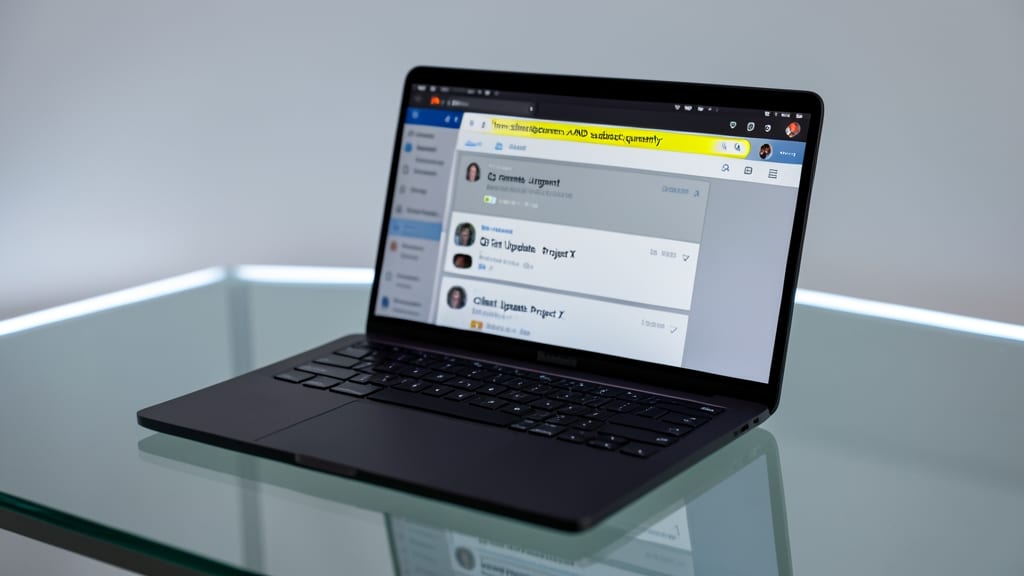
Drowning in years of archived emails? Outlook’s search operators turn your inbox into a precision tool—no more scrolling through irrelevant messages. Combine Boolean logic (AND, OR, NOT) with keywords like from:client@domain.com or subject:quarterly to pinpoint exact matches in seconds.
For example, search "from:manager AND attachment:no NOT draft" to find all non-draft emails from your boss without attachments. You can also use date ranges (e.g., after:2023-01-01) or has:category to narrow results further. Works across Outlook Desktop, Web, and Mobile.
This is a game-changer for legal researchers, project managers, or anyone who needs to retrieve specific emails from years of archives. ⚡
Meeting Scheduling with Quick Polls
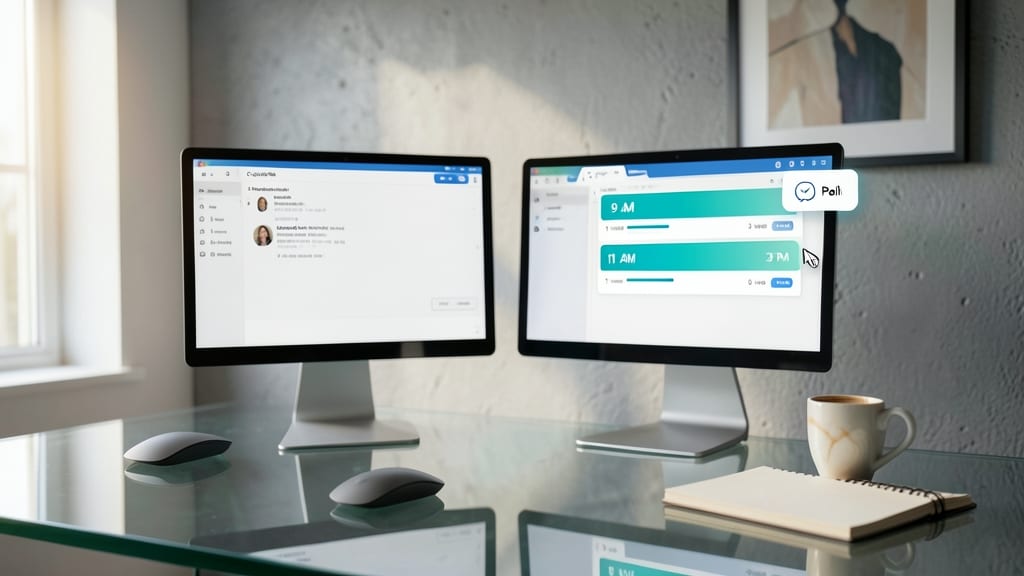
Say goodbye to endless back-and-forth emails when scheduling meetings. Outlook’s Quick Polls feature lets you attach a real-time vote to calendar invites, so you can instantly see which time slot works best for your team—no more guessing or follow-ups.
Simply create a new meeting, click Poll in the ribbon, and add options like “10 AM,” “2 PM,” or “Next Monday.” Recipients get a one-click response, and results update automatically in your invite. The time zone detection ensures everyone sees local times, and you can even set reminders for responses. Perfect for global teams or busy schedules where coordination is key.
This is a game-changer for managers juggling multiple time zones or anyone tired of scheduling chaos. Try it next time you’re planning a team sync—your future self will thank you. ✨
Customize Outlook Ribbon for Your Workflow
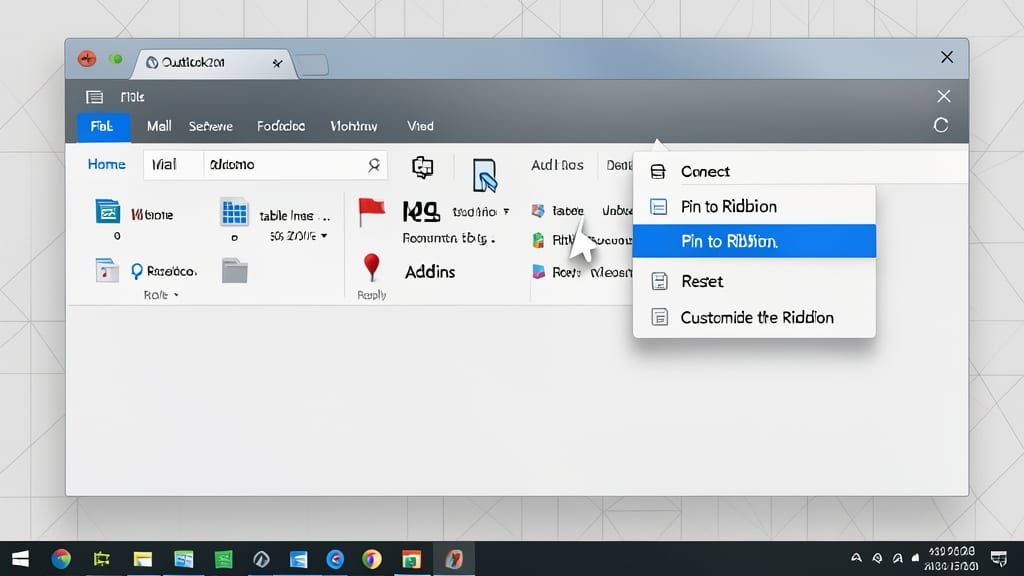
Tired of scrolling through a cluttered Outlook toolbar every time you need to insert a table or flag an email? Customizing the Outlook Ribbon puts your most-used tools front and center—cutting down on clicks and boosting efficiency for power users.
Right-click any ribbon tab to pin frequently used commands (like Insert Table or Flag Email) or create custom tabs for your workflow. You can even minimize rarely used tabs to declutter your workspace. The process takes just a few clicks and syncs across devices, so your optimized toolbar follows you everywhere.
This trick is a game-changer for project managers, writers, or anyone drowning in formatting tasks. Spend less time hunting for tools and more time getting work done. ✨