
Software
Microsoft Teams isn’t just for businesses—it’s revolutionizing classrooms by making collaboration seamless and engagement effortless. Discover how schools leverage this powerful tool to transform teaching, learning, and communication in ways traditional methods can’t match.
Seamless Classroom Communication Hub
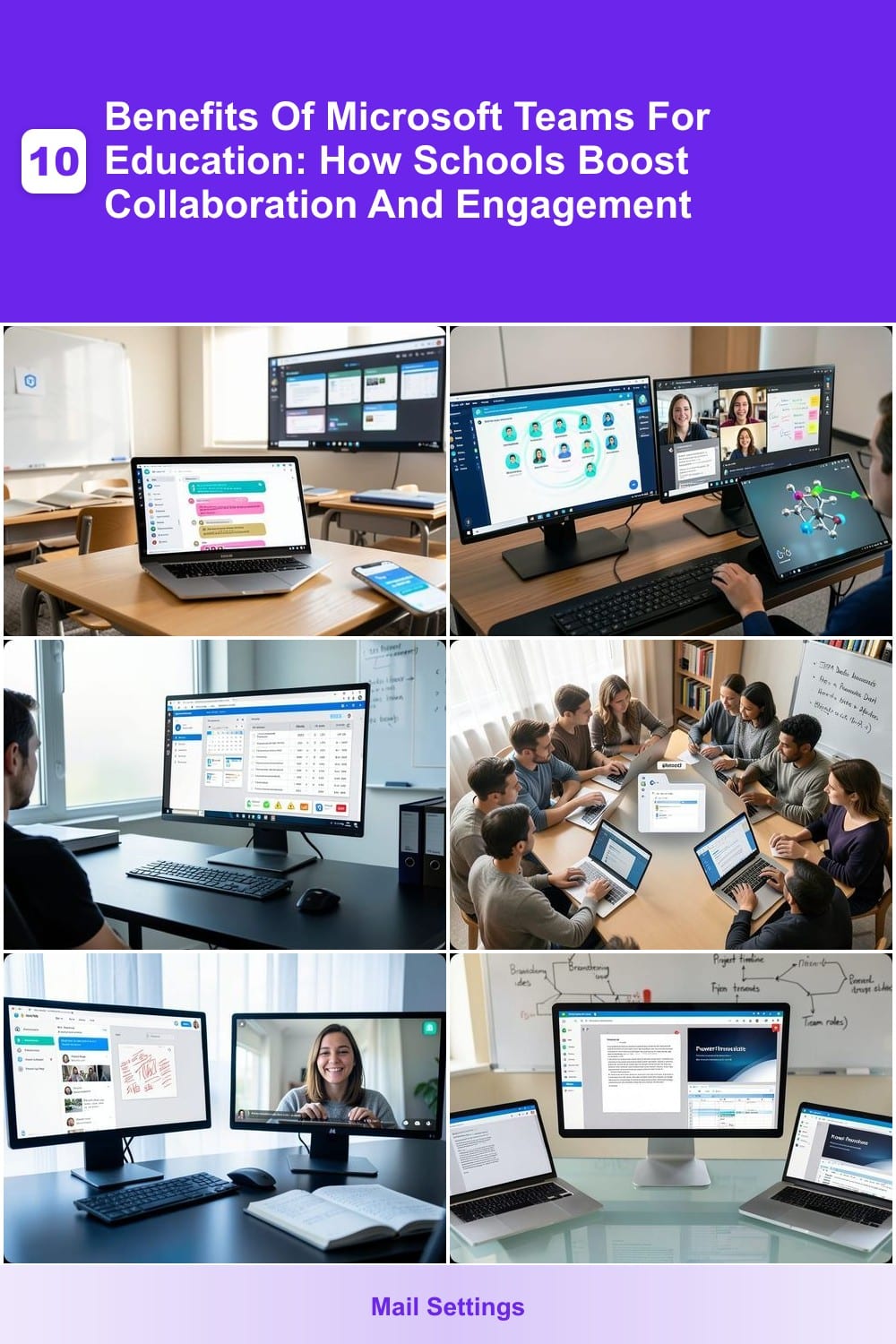
Imagine a classroom where no assignment slips through the cracks, no parent misses an update, and no student forgets a deadline—all because every message, file, and announcement lives in one real-time hub. Microsoft Teams does exactly that, replacing the chaos of scattered emails, lost papers, and missed calls with a unified communication center where teachers, students, and parents stay aligned effortlessly.
With dedicated class channels, educators post announcements once and reach everyone instantly—no more copying lists or chasing down replies. The @mention system ensures critical updates cut through the noise, while file-sharing integrations keep resources organized in one place. Parents join channels to track progress, and students access materials anytime, anywhere. Studies show schools using Teams see 40% fewer miscommunication issues, thanks to its searchable history and notification controls that prevent overwhelm.
This is the perfect solution for K-12 schools drowning in paperwork or universities managing hybrid courses. Whether it’s a last-minute test reminder or a shared syllabus, Teams keeps everyone on the same page—without the guesswork. 💡
Virtual Classrooms With Interactive Tools
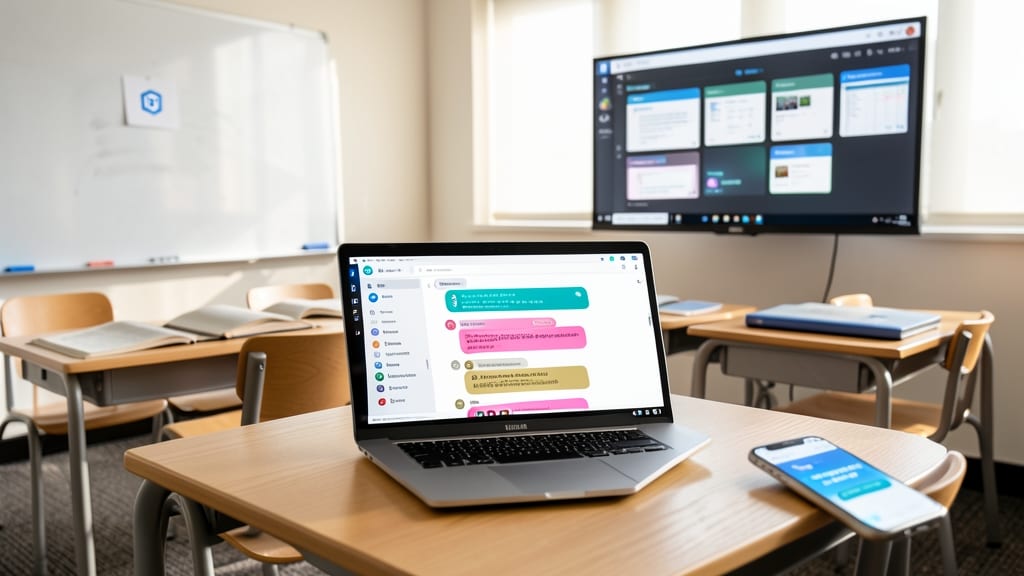
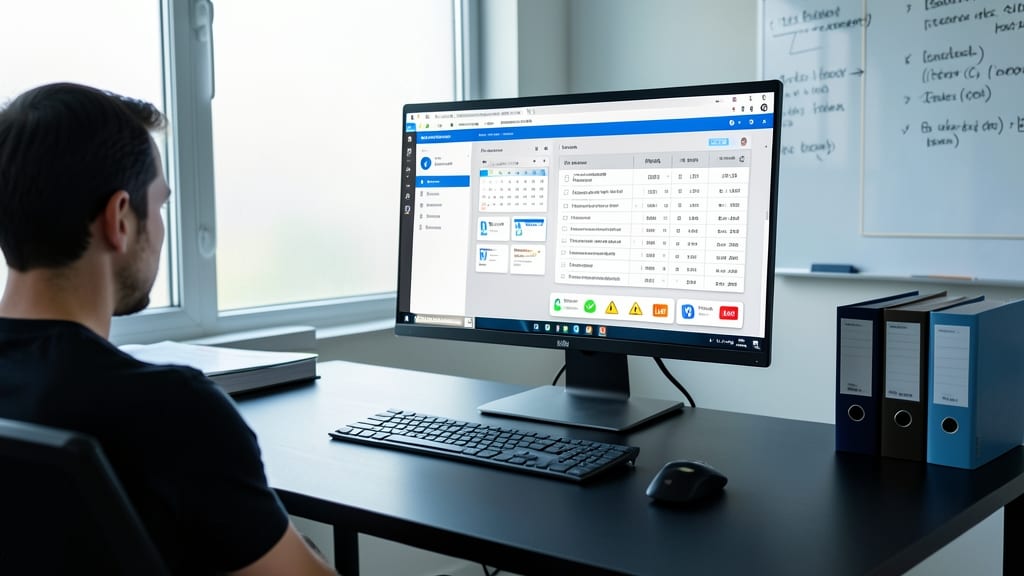
Say goodbye to one-sided lectures and hello to interactive learning—Microsoft Teams transforms virtual classrooms into dynamic hubs where every student’s voice matters. The platform’s live polls, breakout rooms, and screen-sharing tools don’t just replace passive lectures; they turn lessons into collaborative experiences that keep students engaged and participating 30% more than traditional setups.
Teachers host real-time quizzes to gauge understanding instantly, split classes into breakout rooms for small-group discussions, and share screens to walk through complex concepts—all without switching apps. The whiteboard feature lets students annotate together, while reaction buttons (thumbs up/down) give instant feedback. Even hybrid classrooms benefit, with in-person students joining virtual discussions seamlessly.
This is the perfect tool for AP teachers running hybrid courses or ESL instructors practicing speaking skills—where interaction directly impacts learning outcomes. 💡
One-Stop Assignment And Grading Portal
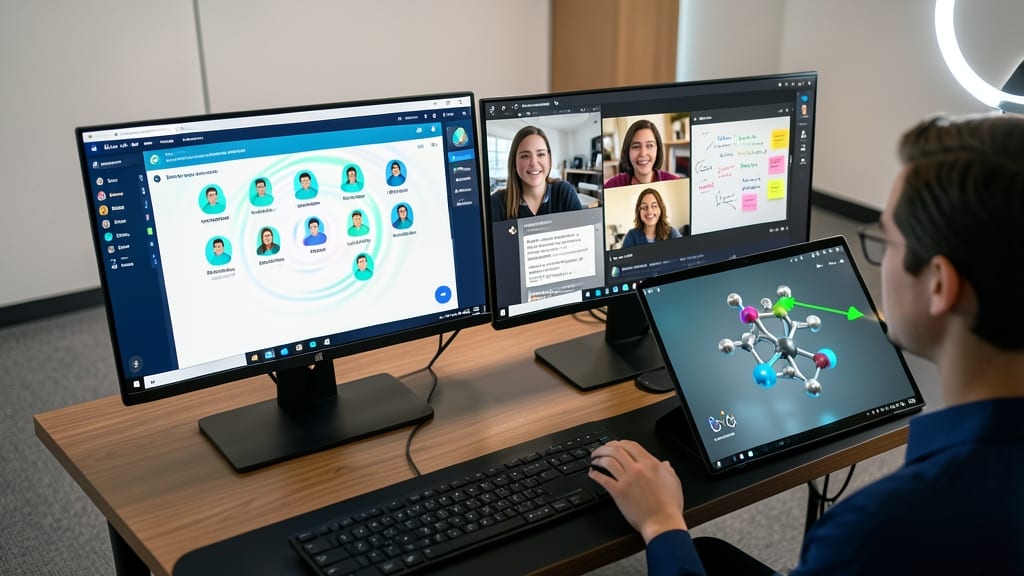
Tired of chasing down missing assignments or grading stacks of late submissions? Microsoft Teams’ Assignment and Grading Portal turns chaos into order with automated deadlines, file submission tracking, and pre-loaded rubrics—all in one place.
Teachers set due dates and submission types (Word, PDF, etc.) once, while students receive real-time reminders and submission statuses. The portal even auto-sorts assignments by class, so grading becomes a breeze. With integrated rubrics, feedback is consistent and saves hours of manual setup. Plus, lost papers become a thing of the past—every submission is timestamped and stored securely.
This feature is a game-changer for high-school teachers juggling multiple classes or college professors grading heavy workloads. Say goodbye to last-minute scrambles and hello to streamlined workflows. ✨
Collaborative Project Workspaces
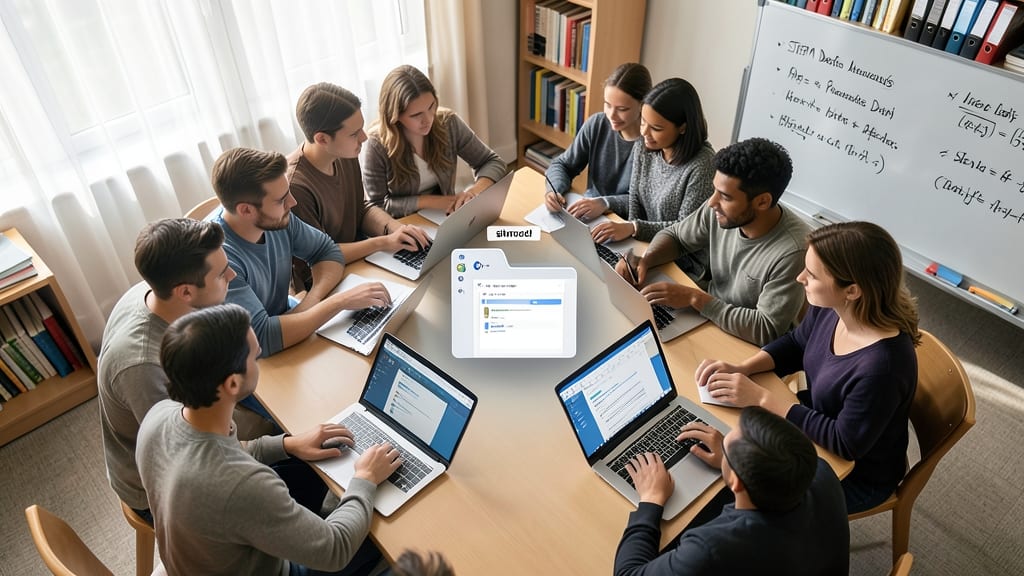
Forge ahead on group projects without the chaos of version control headaches. Microsoft Teams’ collaborative project workspaces let teams—whether STEM researchers analyzing data or humanities students drafting presentations—work in shared folders with real-time co-authoring directly in Word, Excel, or PowerPoint.
Every edit appears instantly for the whole team, and @mentions ensure no one misses critical feedback. The task board keeps milestones visible, while file version history lets you revert to earlier drafts if needed. No more "I saved it on my desktop" excuses—everything stays organized and accessible.
Perfect for educators teaching group-based learning, this feature transforms passive collaboration into an active, accountable process where every student contributes meaningfully. 💻
Parent-Teacher Communication Bridge
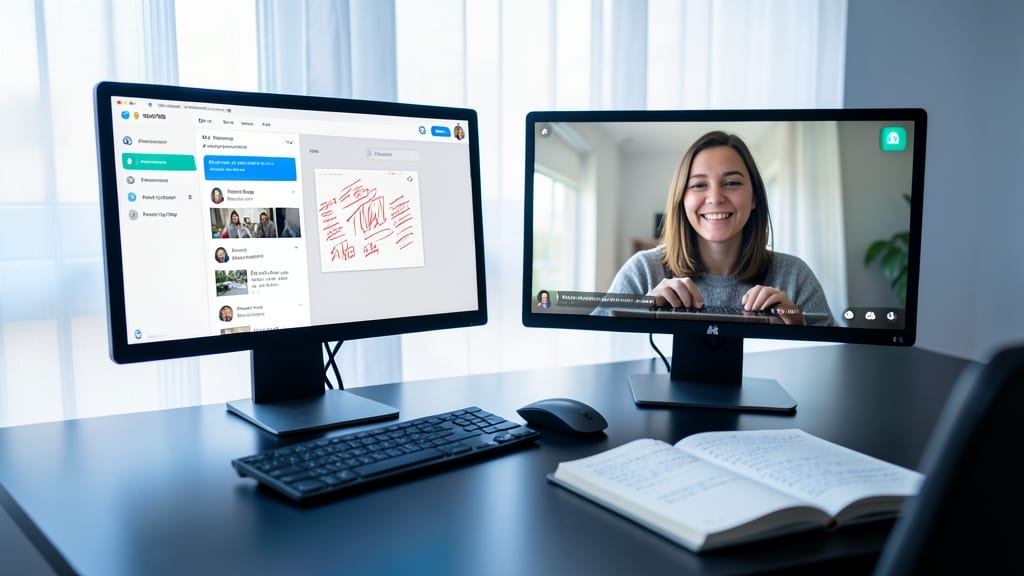
Tired of scheduling parent-teacher meetings just to share updates? Microsoft Teams solves this with dedicated class channels where parents can join, view assignments, and receive real-time feedback—all in one place. This eliminates the back-and-forth emails and missed notes, ensuring everyone stays on the same page.
Parents access secure, role-based channels tailored to their child’s class, complete with announcements, event reminders, and progress updates. Teachers can share photo albums, video updates, and even voice messages—no need for separate apps. The mobile-friendly interface lets busy parents check in anytime, while notification controls prevent overwhelm.
This feature is perfect for schools prioritizing transparency and efficiency, cutting down on administrative work while keeping families connected. 💡
Built-In Office 365 Integration
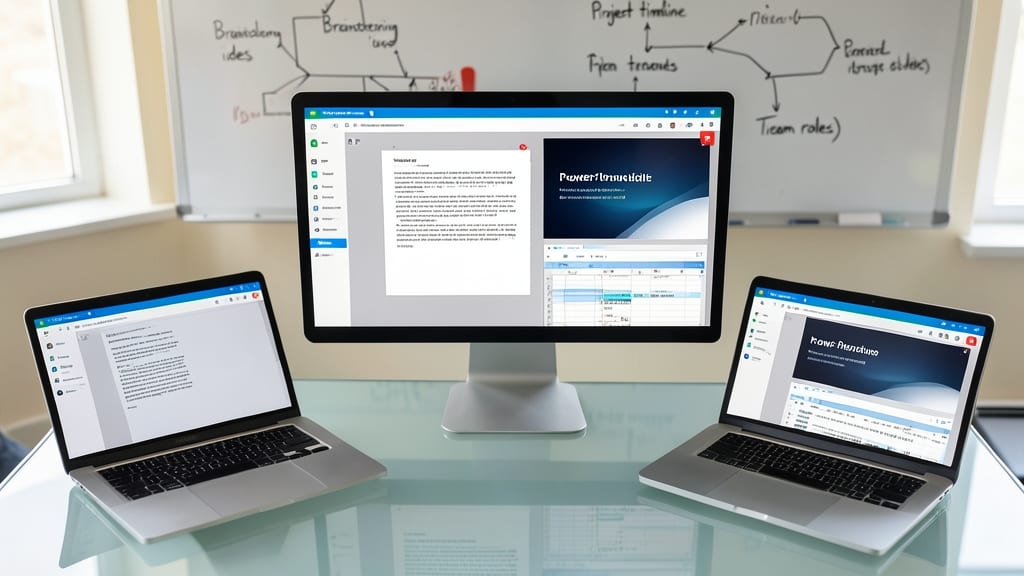
No more juggling between apps—Office 365 lives inside Teams, turning group projects into seamless workflows. Students draft research papers in Word, crunch data in Excel, or design presentations in PowerPoint—all without ever leaving the collaboration hub where discussions happen.
The integration is so smooth that teachers can assign a PowerPoint project one day and review edits the next, with version history tracking changes automatically. Shared class folders mean no more "I saved it on my desktop" excuses—every file stays organized and accessible, with permissions set by the teacher.
This is a game-changer for high school seniors working on college applications or middle schoolers collaborating on science fair reports. ⚡
Secure And Compliant Data Storage
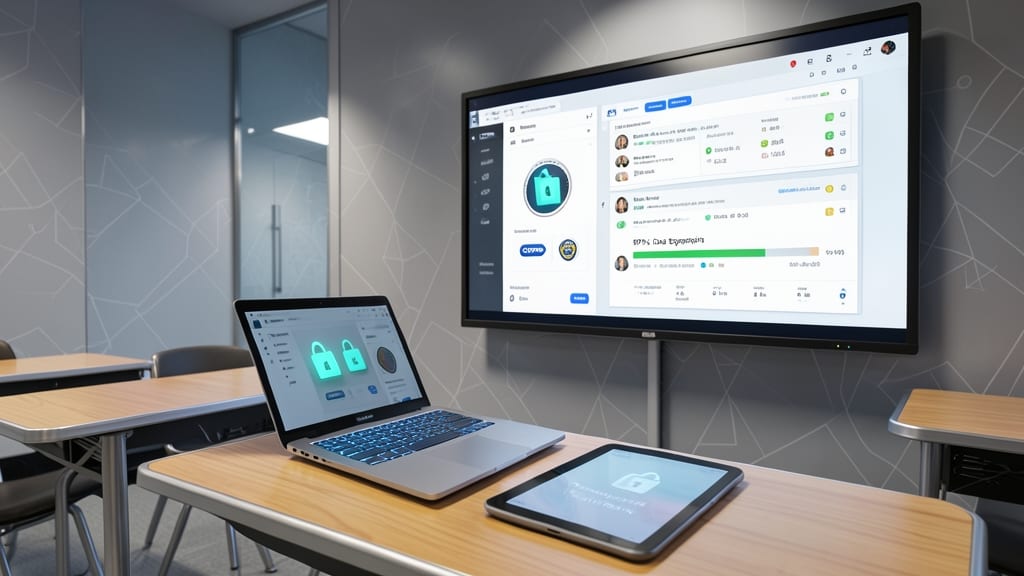
Worried about student data security? Microsoft Teams simplifies compliance with built-in FERPA and COPPA protections—no third-party tools required. Schools can rest easy knowing sensitive files stay encrypted at rest and in transit, with granular admin controls to manage access down to individual folders.
Admins assign role-based permissions (e.g., teacher vs. student) and enable multi-factor authentication for extra security layers. The platform’s Microsoft Purview compliance tools automatically scan for risks, like accidental data leaks, while maintaining full audit trails for accountability. Plus, end-to-end encryption ensures only authorized users can decrypt files.
This is a game-changer for districts handling special education records or sensitive research projects—keeping data locked down while remaining accessible to approved users. 💻
Student Engagement Through Gamification
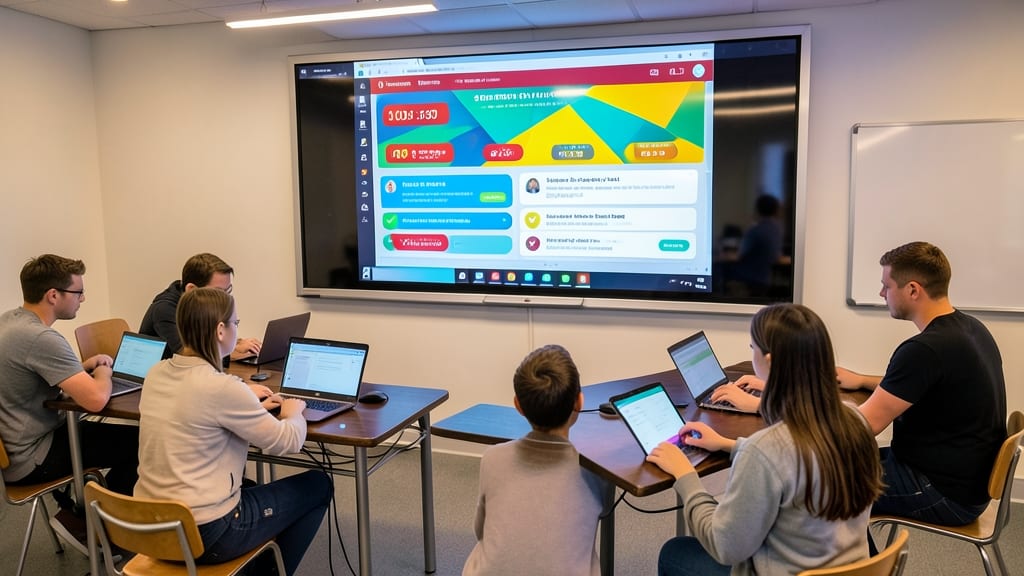
Struggling to keep students engaged in large or disinterested classes? Microsoft Teams’ gamification tools transform lessons into interactive challenges that feel less like work and more like play. The platform’s built-in quiz features let teachers create timed assessments, instant feedback quizzes, and even leaderboards to track progress—all within the same space where students already collaborate.
You can reward participation with digital badges or points, unlocking a sense of achievement that traditional grading often misses. For example, a history teacher might turn a unit on the Civil War into a scavenger hunt with real-time polls and discussion prompts, while a math class could use interactive whiteboard challenges to solve problems competitively. The best part? These tools integrate seamlessly with existing lesson plans—no extra apps or complicated setups required.
This approach works wonders for middle and high school students who thrive on competition and instant rewards, but even younger learners benefit from the visual feedback of progress bars and achievement milestones. It’s the digital equivalent of a classroom cheerleader—keeping motivation high and disengagement low. ✨
Cost-Effective Alternative To Specialized Tools
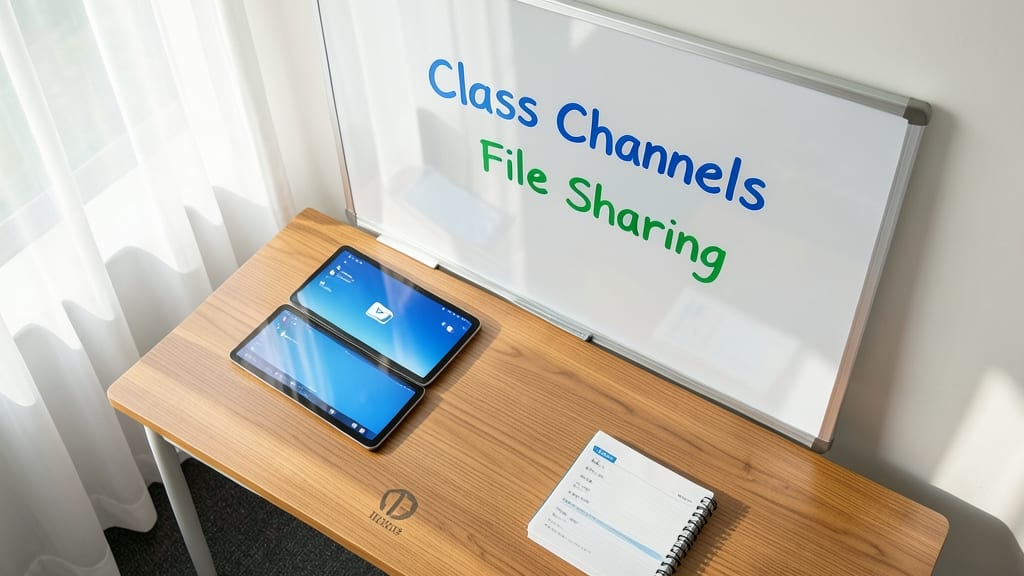
School budgets often struggle with the cost of specialized learning management systems (LMS), but Microsoft Teams offers a built-in solution that’s already part of most districts’ Office 365 subscriptions. This means schools unlock advanced collaboration tools—like class channels, file sharing, and video meetings—without paying extra for standalone software.
The zero-additional-cost model lets educators access features like integrated assignments, real-time feedback, and parent portals without the overhead of licensing fees for platforms like Blackboard or Canvas. For schools already invested in Office 365, Teams acts as a budget-friendly upgrade, combining LMS functionality with the familiarity of Microsoft’s ecosystem.
Ideal for districts looking to cut costs while improving engagement, Teams proves that high-tech collaboration doesn’t require a high-tech price tag. ✨
Future-Ready Digital Literacy Skills

By the time students graduate, Microsoft Teams won’t just be a classroom tool—it’ll be their professional playground. Schools using Teams early give students hands-on experience with real-world collaboration features like threaded discussions, file-sharing permissions, and integrated calendars that mirror workplace setups.
Students learn to navigate team channels, manage project tabs, and use @mentions—skills directly transferable to internships and first jobs. The platform’s built-in training modules (like Microsoft Learn) let them explore advanced features at their own pace, from recording meetings to using Power BI dashboards in group projects.
This isn’t just tech for tech’s sake—it’s career prep. Graduates entering fields from marketing to engineering already know how to use the tools their future coworkers rely on daily. 💻