
Tip & Trick
Mastering keyboard shortcuts can transform your typing speed and productivity. These 10 underused symbols starting with 'A' offer hidden shortcuts that streamline workflows in Windows, macOS, and productivity apps—many users overlook them entirely.
Alt Code for Special Characters

Forget digging through endless character menus—Windows Alt Codes let you insert ©, ®, or € in seconds with just your numeric keypad. Enable Num Lock, hold Alt, type the code (e.g., Alt+0169 for ©), then release to insert instantly. This trick works in Word, Excel, emails, and even coding comments, making it a universal time-saver.
The best part? These codes cover hundreds of symbols, from ± (Alt+177) to ™ (Alt+8482), all without installing plugins. Whether you're formatting a business proposal, adding currency symbols, or annotating diagrams, Alt Codes eliminate the frustration of symbol hunting. No more switching layouts or memorizing obscure menus—just type and go.
Perfect for business professionals, writers, and developers who need consistent symbol insertion across platforms. Try it in your next document—your workflow will thank you. ⚡
Accented Letters with Dead Keys
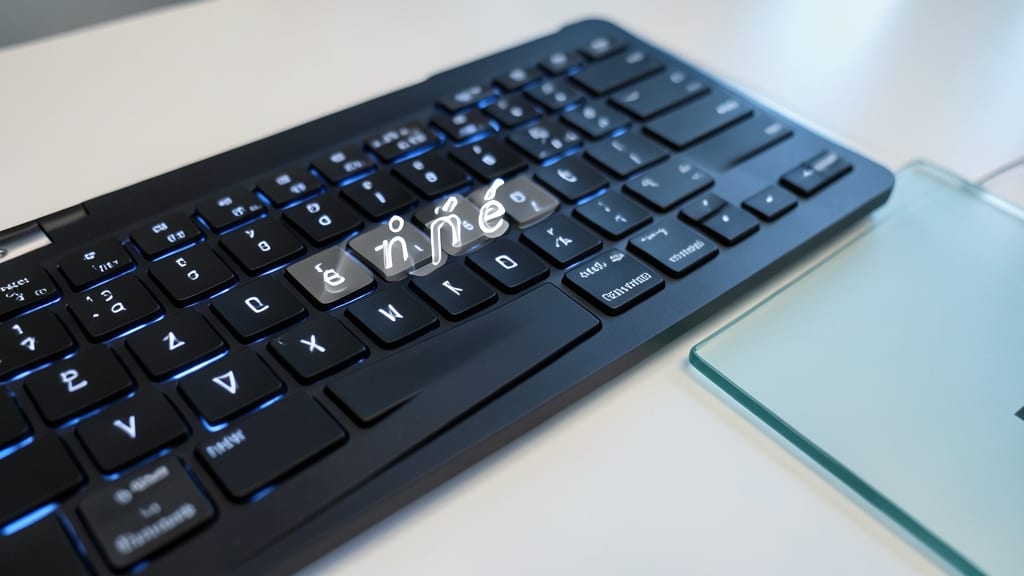
If you’ve ever struggled to type é, ñ, or ü without switching keyboard layouts, dead keys are your game-changer. Unlike Windows’ Alt Codes, dead keys on Mac and Linux let you combine a base key (like ` or ^) with a letter to instantly generate accented characters—no layout switching required.
For example, press ` + e to get é, or ^ + n for ñ. This method works natively in macOS (U.S. International layout) and most Linux distributions (with dead keys enabled). It’s ideal for multilingual typing, whether you’re drafting emails in French, Spanish, or German, or coding in languages that require special characters (like Café or naïve).
Perfect for writers, developers, and international professionals who need seamless typing across languages. No more hunting for symbols—just type and go. ✨
AutoCorrect Shortcuts in Microsoft Word
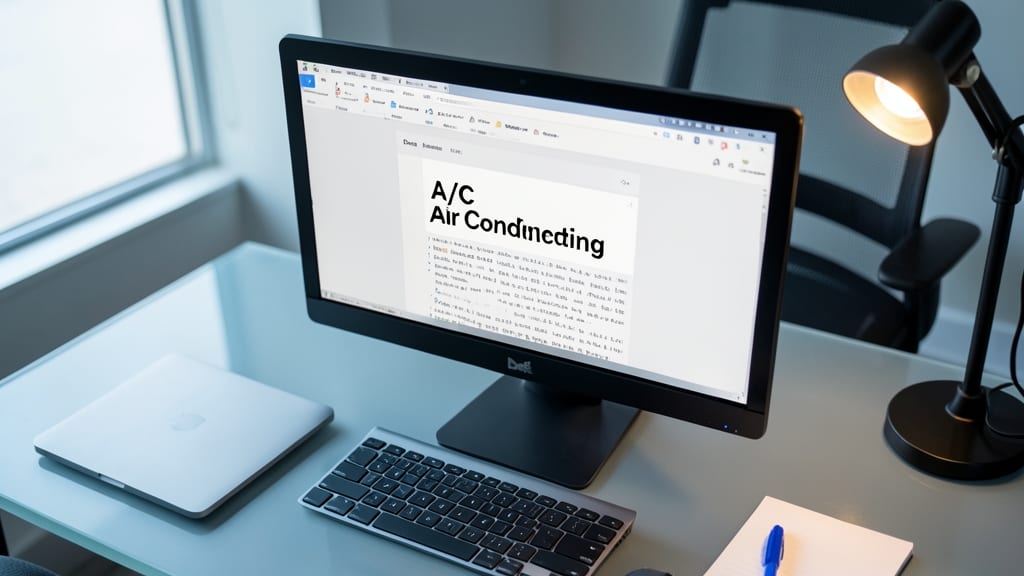
Tired of typing out "Air Conditioning" every time you draft a report? Microsoft Word’s AutoCorrect lets you create custom shortcuts like "A/C" to auto-expand into full phrases—saving minutes (or hours) across long documents.
To set it up, go to File > Options > Proofing > AutoCorrect Options, then add your abbreviations under the "Replace" column (e.g., type "A/C" in the first box and "Air Conditioning" in the second). This works for legal terms, medical jargon, or technical acronyms—anything repetitive. The feature even capitalizes correctly if your shortcut starts with a capital letter.
Perfect for legal drafts, medical reports, or engineering specs, this trick turns Word into a personal abbreviation machine. No more hunting through menus—just type and let Word handle the rest. ✨
Arrows and Technical Symbols

Need to add directional flow to your diagrams or code comments? The arrow symbols (←, →, ↑, ↓) are game-changers for visual clarity, and Windows makes them effortless with Alt Codes. Simply hold Alt, type the code (e.g., Alt+24 for ←), then release to insert instantly—no tracking down special character menus.
These symbols work universally in flowcharts, UML diagrams, or programming comments, where they replace verbose text like "previous step" or "next iteration." For example, Alt+25 gives you →, perfect for pseudocode or algorithm walkthroughs. The best part? They render consistently across apps, from Microsoft Visio to VS Code or Google Docs.
Developers and technical writers will save hours by embedding arrows directly into documentation or codebase comments. Try them in your next Markdown file or PowerPoint presentation—the precision boost is immediate. ⚡
Angle Brackets for Coding

If you’ve ever written HTML or XML, you’ve used angle brackets (< >)—the backbone of markup languages. But did you know you can type them faster with Alt+60 (for <) and Alt+62 (for >) in Windows? This shortcut saves seconds per tag when coding, especially in VS Code or Sublime Text, where speed matters.
These symbols aren’t just for HTML: they’re used in JSON templates, YAML configs, and even LaTeX math mode. Most IDEs auto-highlight them, but typing them manually (Shift+</Shift+>) adds friction. The Alt Codes method works universally—no plugins or extensions needed—making it a zero-config power move for developers.
Perfect for web devs, sysadmins, or anyone editing configs, mastering this shortcut cuts down on repetitive typing. Try it in your next project—your fingers (and future self) will thank you. ✨
Approximation Symbol (≈)
If you’ve ever spent minutes hunting for the ≈ symbol in Word’s symbol menu or LaTeX’s special characters list, you’re not alone. This approximation symbol is a lifesaver for equations, data analysis, and scientific writing—but inserting it manually is a waste of time.
On Windows, simply press Alt+8776 (Num Lock on) to insert ≈ instantly in any text field. In LaTeX, use \approx for proper scaling, while Excel and Google Sheets recognize the symbol for formulas like =A1≈B1. The shortcut works across Word, Notepad, and even code editors, making it a universal time-saver.
Perfect for students, engineers, and data analysts, this symbol streamlines workflows when documenting approximate values, tolerances, or asymptotic behavior. ⚡
At Sign (@) for Email Addresses

The @ symbol might seem like a simple typing staple, but it’s one of the most frequently used symbols in digital communication—yet most people don’t know its fastest shortcut. Instead of hunting for the dedicated @ key on some keyboards, simply press Shift+2 on any QWERTY keyboard, whether you're on Windows, macOS, or Linux.
This shortcut works universally across devices, from laptops to tablets, and even in text fields where the @ symbol is essential—like email addresses, social media handles, or programming frameworks (e.g., @media in CSS). No Alt Codes or Num Lock required, making it the most reliable method for quick, consistent typing.
Perfect for email power users, developers, or anyone who types handles daily, this shortcut saves seconds per email—adding up to minutes over a workday. Try it next time you’re composing an address! ⚡
Alpha Symbol (α) for Scientific Use
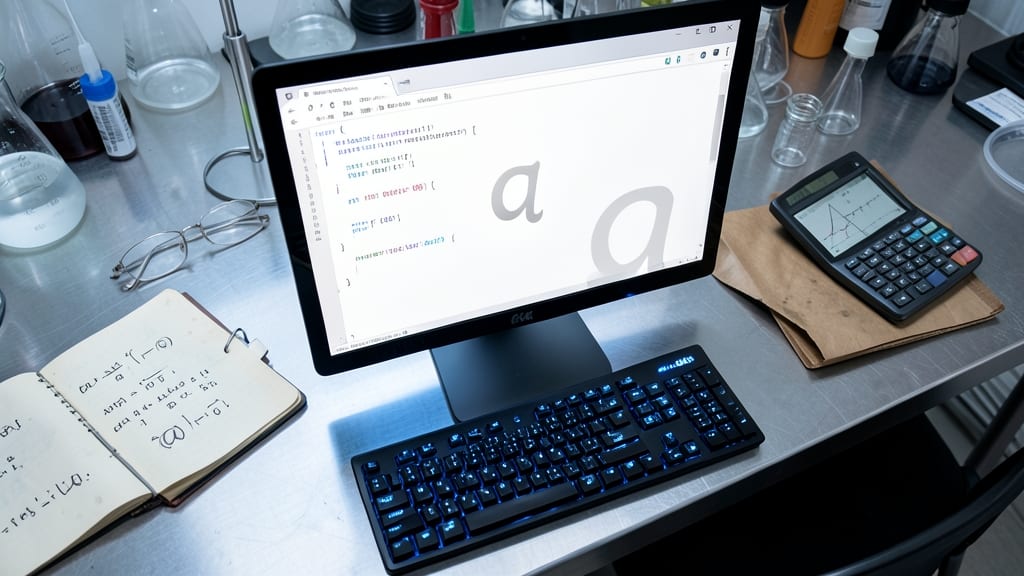
For physicists, chemists, and engineers, the alpha symbol (α) isn’t just a letter—it’s a cornerstone of formulas, equations, and technical documentation. Typing it manually from a font menu breaks workflows, but Alt+8486 inserts it instantly across Windows apps, from LaTeX documents to lab reports.
This Unicode character (U+03B1) appears everywhere: α-particles in nuclear physics, alpha decay constants, or alpha testing in software. Unlike other symbols, it’s not limited to coding or math—it’s embedded in scientific notation, chemical reactions, and even aerospace engineering specs. No need for symbol palettes or copy-paste hacks.
Perfect for students writing research papers, professors grading equations, or professionals documenting experiments. Master this shortcut to type α in seconds—no more hunting for special characters. ✨
Ampersand (&) for Legal Documents
Drafting legal documents in Microsoft Word or Adobe Acrobat? The ampersand (&) is a powerhouse symbol for attorneys, appearing in contracts, partnership agreements, and disclaimers. Typing it as Shift+7 (on QWERTY keyboards) is faster than hunting through special character menus—especially when you’re under a deadline.
Legal pros rely on & to denote "and" in formal contexts (e.g., "John & Mary Smith"), saving time over typing "and" repeatedly. In Word, you can even set up AutoCorrect to auto-expand abbreviations like "J&M" into "John & Mary" for even smoother workflows. For Adobe Acrobat, the & shortcut works seamlessly in fillable forms and annotations.
This tiny symbol cuts drafting time for contracts, clauses, and compliance docs—perfect for solo practitioners or law firms. Master it, and you’ll type like a seasoned legal tech pro. ✨
Asterisk for Bulleted Lists

Tired of manually inserting bullet points in Slack, Notion, or code comments? The asterisk () (Shift+8) is your secret weapon for creating bulleted lists in Markdown or plain text—no copy-pasting required. This tiny symbol transforms your workflow, especially when drafting quick notes or documentation.
In Markdown, simply type item to generate a bullet point instantly. Platforms like GitHub, Reddit, and Obsidian automatically render these into formatted lists. Even in plain text, many apps (including Slack and Notion) recognize * as a bullet marker when combined with a space. For developers, this shortcut speeds up README files and code comments without leaving your keyboard.
Perfect for writers, developers, and note-takers who juggle multiple apps daily. ⚡